

What Injectables Are Right for You?
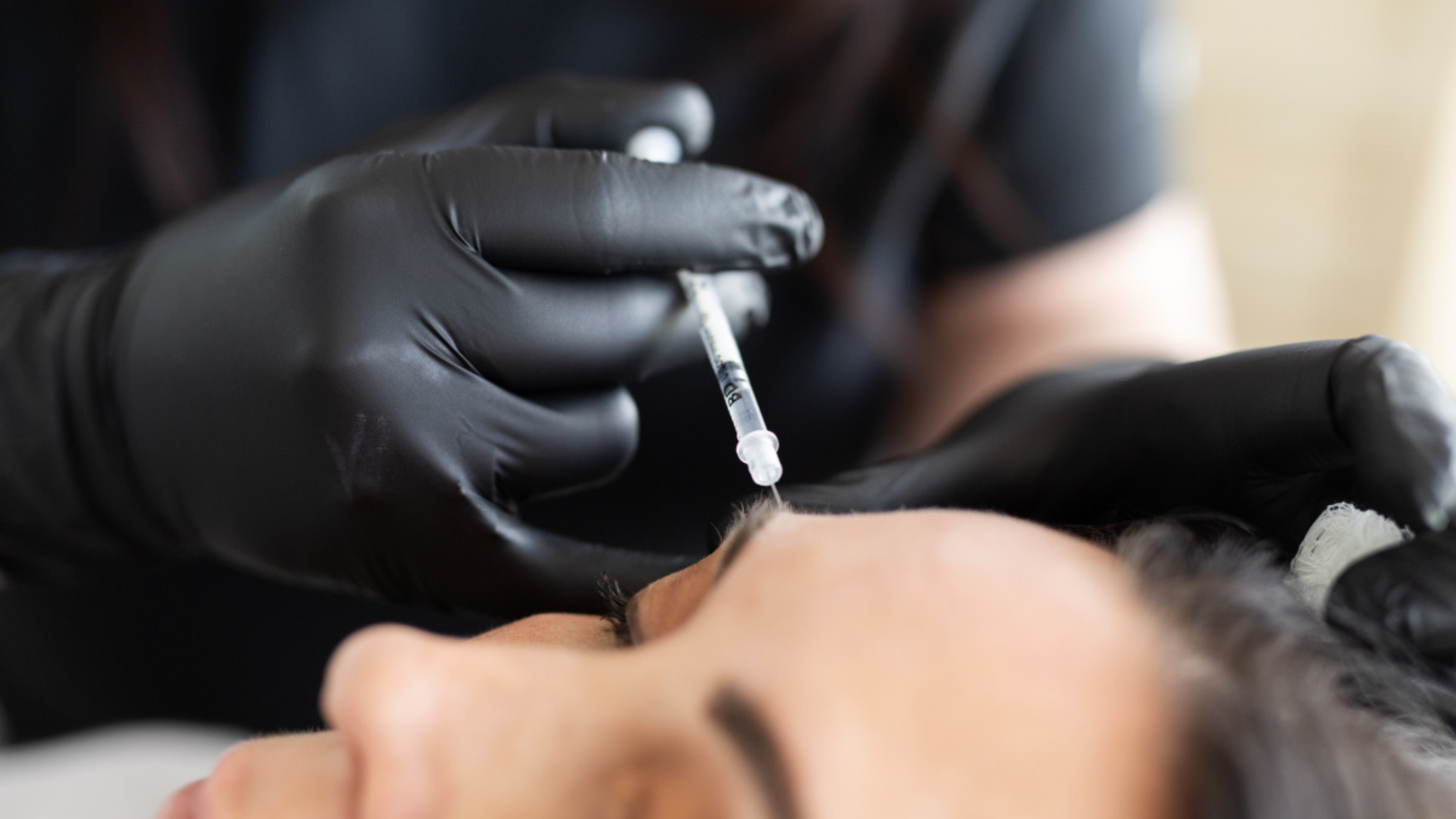
Injectables have become one of the most popular aesthetic treatments, and also one of the most misunderstood. With so many names, uses, and opinions circulating online, it’s normal to feel unsure about what’s right for you, or whether injectables even fit your goals at all.
The truth is, injectables aren’t one-size-fits-all. The best treatment depends on your anatomy, concerns, lifestyle, and what kind of result you’re hoping to achieve. Understanding the different types of injectables and what they’re designed to do can make the decision feel far more approachable.
What Are Injectables?
Injectables are non-surgical treatments placed beneath the skin to address signs of aging, volume loss, or facial movement. They’re commonly used to soften lines, restore balance, and refresh the face while maintaining a natural appearance. Rather than changing how you look, injectables are meant to support how your face moves, rests, and ages over time.
The Three Main Types of Injectables
Most injectable treatments fall into one of three categories: neuromodulators, dermal fillers, and biostimulators. While they’re often mentioned together, they serve very different purposes.
Neuromodulators: For Expression Lines
Neuromodulators are designed to soften dynamic wrinkles, which are lines caused by repeated facial movement. They work by temporarily relaxing targeted muscles, allowing the skin to smooth while still looking natural. The goal is not to freeze expression, but to soften lines that have become more noticeable over time when you frown, squint, or raise your eyebrows. Common neuromodulators include Botox, Daxxify, Dysport, and Xeomin.
You may be a good candidate if you:
Notice lines that appear or deepen with facial movement
Want a refreshed, rested look without adding volume
Are interested in prevention as well as correction
Dermal Fillers: For Volume and Structure
Dermal fillers are used to restore volume, enhance facial contours, and support areas that naturally lose structure with age. Over time, the face loses collagen and fat, which can lead to hollowing, sagging, or changes in facial balance, and filler works to lift, contour, and restore volume in those areas. Common dermal fillers include RHA Redensity, RHA 2, RHA 3, RHA 4, Restylane Lyft+, Versa Lips, and Belotero.
You may be a good candidate if you:
Notice volume loss or facial flattening
Want to enhance or rebalance certain features
Prefer longer-lasting results compared to neuromodulators
Biostimulators: For Collagen Support and Skin Quality
Biostimulators are designed to improve skin quality by encouraging your body to produce more of its own collagen. Rather than adding immediate volume or relaxing muscle movement, these treatments work gradually to strengthen the skin’s foundation and support collagen production from within. Common biostimulators include Sculptra and Radiesse.
You may be a good candidate if you:
Notice gradual changes in skin firmness or thickness
Want to improve skin quality rather than add volume
Prefer results that develop naturally over time
Are looking for long-term collagen support
How Age, Anatomy, and Goals Play a Role
One of the most important things to understand is that the “right” injectable isn’t determined by age alone. Two people of the same age may need entirely different treatments. When deciding the right injectable, we look at your facial structure, your facial movements, skin elasticity, as well as your personal preferences and comfort level. Some patients benefit from wrinkle relaxers alone. Others see the best results from fillers. Many choose a combination approach, using each treatment where it makes the most sense.
What About Downtime and Time Commitment?
One reason injectables remain so popular is convenience. Many treatments can be completed in under 30 minutes, with little to no downtime. Results develop gradually, helping changes blend naturally into your appearance. That said, injectables aren’t permanent. Maintenance is part of the process, and your provider will help you understand what kind of timeline to expect based on the treatment you choose.
The Best Injectable for You Starts With a Conversation
Deciding what type of injectable is right for you is exactly where a consultation comes in. This is a chance to ask questions, learn about your options, and receive recommendations tailored specifically to your face and goals from the experts.
If you’re ready to explore your options, schedule a consultation to learn which injectable treatments may be the right fit.